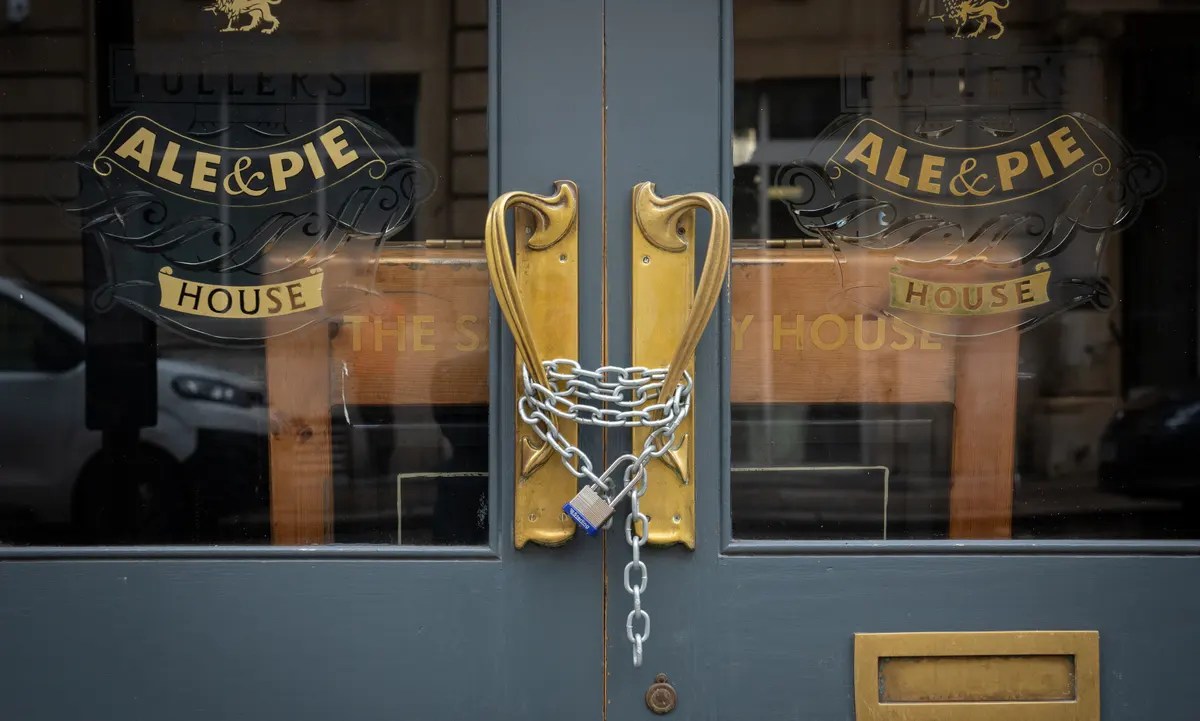
As I understand it the Turks Head, Hasketons currently shut pub, has recently been sold for a figure slightly north of £600,000. I’ve got no idea who has bought it, but the now infameous Red Cat pub company (the current owners) have failed to make it work as a business and have decided to bug out. Prior to the whole COVID business it was a very successful gastro-pub, but Red Cat seem to have pulled off the impressive feat of running it into the ground in a very short time.
So far, so bad, but the problem seems to be nationwide. In todays paper I read that ‘Stonegate’, Britians largest pub chain, are struggling to service a £2.2bn debt. Given that they run about 4500 outlets (i.e. pubs, bars etc) that means that the average debt of each outlet is about £490,000. Now it’s possible the average value of each outlet is also about this figure, so the company might just be worth…. oh I don’t know, maybe, err – nothing. To me that seems completely bonkers – the business model must be completely broken and the owners asleep at the wheel for this situation to have arisen.
But if this reflects the current state of the so called, “hospitality industry”, we can expect a lot more disasters are going to fall upon Britians pubs. This is a great shame – I like pubs. They’re relaxing, pleasant, social places and I tend to feel good in them.
But the problem is quite obvious really – they’re just too damn expensive. I mean, over £5 for a pint of beer!!!!!! For goodness sake, that’s over 10x the cost of the ingredients. Over £7 for a modest glass of wine: they’re out of their minds if they expeact us to pay that – it’s more than I usually pay for a bottle! See my analysis of the price of a pint for a better insight. And then there’s the food – I’m sorry, but I’m not paying £15 per person for a meal I could cook myself. Not happening!
But in reality, the pub owner needs to make a profit, and the venue has to pay the wages of the staff. That’s probably 3 people. And there’s the problem in a nutshell.
Cast your mind back 150 years. (OK, that’s impossible – how would you know?) But take Samuel Moss as an example – he ran the Turks Head for about 50 years from 1859. By profession he was a thatcher. OK, it’s not really clear how much thatching he did during that period and the economics of the day were very different, but the point is, he didn’t have to rely on pub takings for an income.
So let’s go back to basics (as John Major said – ha ha, no , don’t laugh!). The British village pub started in an organic way – people, mostly women, brewed beer at home and sold it from or in their houses to all-commers. The whole business grew from that. No licencing laws, business rates or insurance in those days. Just do it! There were also ‘Inns’, which were stopping places for travellers: a different market, but the principle is similar – a simple supply and demand situation.
And maybe that’s the model for the future. We all become more sociable in our own homes. I, for example, enjoy brewing my own beer. Maybe I should make modest changes to my domestic arrangements and ‘entertain’ friends with my own brews on a more regular basis. Convert my workshop into a ‘man den’ where we can all relax – by invitation only of course. No need for anything formal (for obvious reasons), but payment in kind, bartering, favours, etc become the order of the day. Under the radar sort of stuff – not that I’d anything actually illegal, but maybe just see how far the current rules can be pushed.
Of course, the new owners of the Turks Head might play a blinder and we end up with a nice village pub again. Then the problem goes away. But it’s good to start thinking about alternatives….. Cheers everybody!
 The Sheeprug Pages.